Rapper Kashan Ali calls himself a ‘middle-class lover boy’. His Instagram reels score thousands of views, featuring music on broken hearts, unrequited love, cricket, and most recently, e-challans. Over a hip-hop beat, he raps about Karachi’s rollout of thousands of surveillance cameras to issue tickets for traffic violations. Over 288,000 tickets were issued in the city of 20 million between October 2025 and January 2026. Ali’s lyrics lay bare the glaring dichotomy that persists in Pakistan’s largest city.
E-challan An automated digital traffic ticket issued through AI surveillance cameras that detect violations such as speeding, signal jumping, or illegal turns. Used in India and Pakistan. Challan is a common Hindi word (चालान, cālān) that has become an Indian-English technical word used to refer to an official form, proof of document, or paperwork.Upar cameray aur neeche toothi poothi sarkain, Ali raps in Urdu. “There are cameras above us, but our streets are all broken.” Bin barish ke bhi dekhin doobi maine sadke, bijli shaat bar bar har do ghante, do do hafte log paani ko taraste. “The streets flood without rain, there’s no electricity, and people are clamouring for water.”
Since late September last year, Karachi’s streets – crammed with over 3.5 million vehicles – have been engulfed in paranoia. Motorists have been driving their vehicles at a docile 60 kilometres per hour on Shahra-e-Faisal, the city’s main 18-kilometre-long multi-lane carriageway that snakes from the suburbs to the airport. Rideshare drivers have been begging their passengers to strap on their seatbelts the moment they set foot in their cars. Practically everyone’s been asking each other variations of the same question: Kya tera e-challan laga hai? “Have you been fined?”
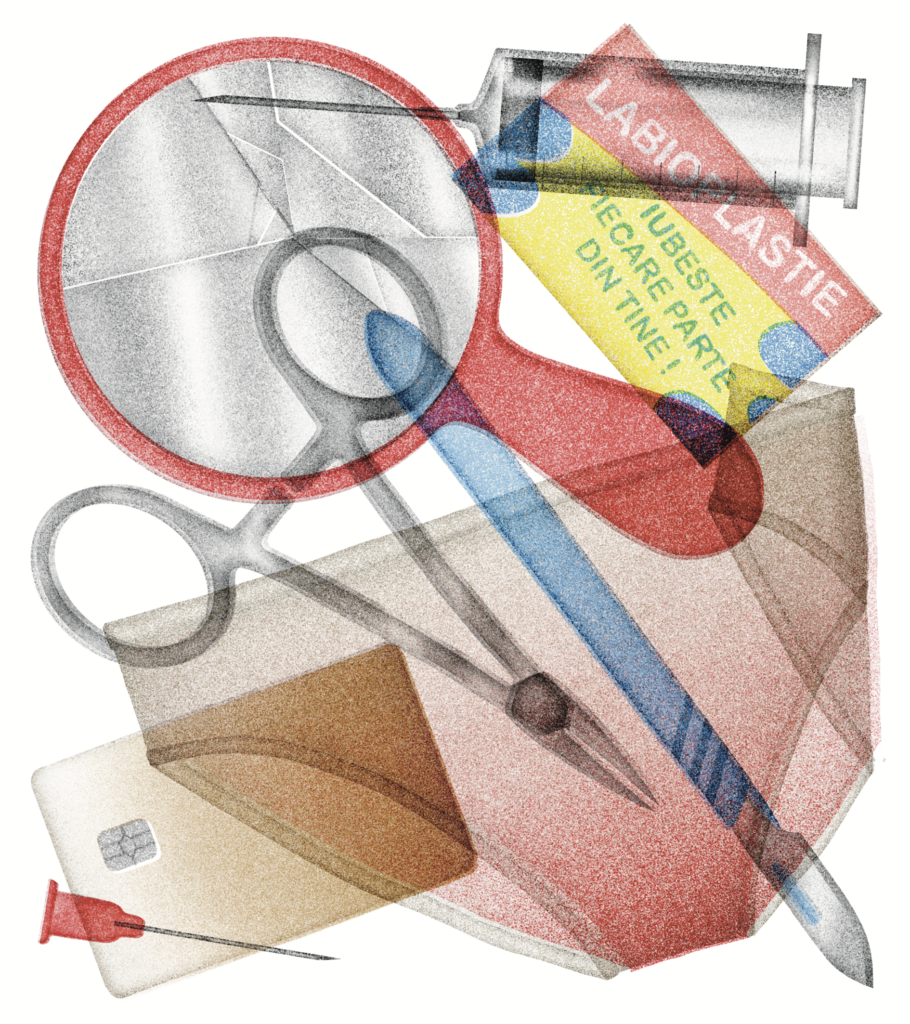
The reason behind this mass panic within Pakistan’s largest metropolis is the Karachi Safe City Project. The rollout of the first phase of the project – estimated to cost many billions of Pakistani rupees – is installing over 1,200 cameras across the city. This project arrives on the heels of a rise in traffic accident-related deaths in the city – over 800 in 2025. In addition to surveillance cameras, there’s also been rumours of Karachi’s very own Jetson moment – drone monitors and robot cars meant to tackle “chronic parking issues”.
This has already resulted in a mass escalation in fines. And the e-challans being issued aren’t cheap either. Not wearing a seatbelt could cost you 10,000 rupees (£26/$36) – while average monthly salaries in Pakistan hover close to 85,000 rupees (£230/$300). Within just three days of the beginning of the project’s rollout, the city’s population racked up fines of over 100 million rupees. But before anyone can actually pay these fines, they’re forced to navigate a bureaucratic maze. For many residents, the system itself has been as confusing as it is costly.
Many have flocked to neighbourhood and community discussion boards to share a cascade of e-challan-related incidents. Posts on Facebook groups such as the Voice of DHA read like a laundry list of complaints: not being able to download the app, downloading the app and not being able to register an account because the one-time passcode (OTP) wasn’t delivered, downloading the app but not being able to download the e-challan, being sent the e-challan via post but not being able to receive it because no one was home, and finally, receiving the e-challan with no instructions for how to make the payment.
As the system struggles to function, some cases veer into farce. One person received a hefty fine for a traffic violation committed by a different vehicle registered in Quetta, a city almost 700 kilometres away. Another was fined for a stolen car that was being driven around by perpetrators without a seatbelt. Someone else received an e-challan for a car stolen in 1997. Someone stuck a piece of paper on their licence plate so that their car wouldn’t get flagged by cameras.
Ingenuity – or jugaad, as we call it here in Karachi – is written into the fabric of this city. People get away with a lot surreptitiously. I’ve seen our people organise secret underground raves; last year, a massive AI hologram of Bollywood actor Kareena Kapoor went viral from one such party. Thrift markets across the city sell revealing clothes that would make the henchmen of the Islamic Republic balk. Bootleggers sell alcohol to anyone willing to pay the right price. In this supposedly sober country, liquor is still commonplace at parties and gatherings.
For young women such as my friend M., e-challans and surveillance cameras create a much bigger threat: the possibility that a grainy photograph could be passed from hand to hand, exposing her private choices to strangers. M. has taught herself how to sweep off her baggy parent-approved kameez while driving her car on our main boulevard, Shahra-e-Faisal, underneath which she wears the clothes I normally see her in – crop tops, t-shirts, the occasional dress. She isn’t so worried about her conservative parents receiving an e-challan in the post or the grainy photograph accompanying the fine showing her wearing a different outfit or sitting with her boyfriend in the front seat of her car. Her biggest concern is the humiliating ritual of justifying her choices to traffic constables who get a first glimpse at these incriminating photographs.
Will e-challans and surveillance cameras and robot cars magically make Karachi’s streets more orderly? On December 28, 2025, the Karachi Traffic Police’s Facebook page put up a post advertising their new drone-monitoring technology. Beneath the post, frustrated comments began to pile up – curses, expletives, even hecklers calling the government of Sindh province (of which Karachi is the biggest city) the “enemy of the people.”
“Will you use these drones to catch snatchers?”, someone asked. The reply they received was short. “No.”
Snatchers What thieves or gunpoint robbers are called colloquially in Pakistan – primarily because they ‘snatch’ phones, cars, jewellery, etc...