Each year, emaSwati brace themselves for the ritual known as Tetfulo, a state-sanctioned display of reverence toward King Mswati III, performed under the banner of culture. On the surface, it appears to be a ceremonial gesture: subjects and institutions offering gifts to their monarch as a sign of loyalty and unity. But behind the traditional regalia lies a more troubling reality. Tetfulo is not just about culture, it is about compliance.
At this year’s ceremony, reports indicate that over E7 million (about £290 000) in cash and upwards of 170 cows were offered to the King. Among the givers were major corporations like Huwaei, public institutions, and government departments, entities whose core mandate is to serve the people, not enrich the palace. Their participation is not optional. It is an unspoken rule of survival within the Tinkhundla system, which is Eswatini’s unique form of governance that blends traditional leadership with modern administrative structures. Kuhlehla, the cultural term for this act of offering, has evolved into a political checkpoint; those who do not give are noted— if not punished.
Meanwhile, in the hospitals of Mbabane and Nhlangano, critical medications are out of stock. Patients queue for hours, only to be told to purchase life-saving drugs from private pharmacies, if they can even afford them. In the classrooms of the University of Eswatini, lecturers continue to work under the weight of unpaid and delayed salaries, forced to juggle additional jobs to make ends meet. The nation’s youth, increasingly disillusioned, graduate into an economy with record-high unemployment, watching their futures dwindle while the King receives expensive gifts in their name.
How can we reconcile such disparity? How do we accept a tradition that celebrates excess at the top, while those at the bottom are told to be patient and patriotic?
Tetfulo, as practiced today, is less about cultural preservation and more about power maintenance. It has become a spectacle where loyalty is staged and suffering is ignored. It fosters a dangerous culture of silence, where critique is stifled and public resources are redirected not to where they are most needed, but to where they are most politically strategic.
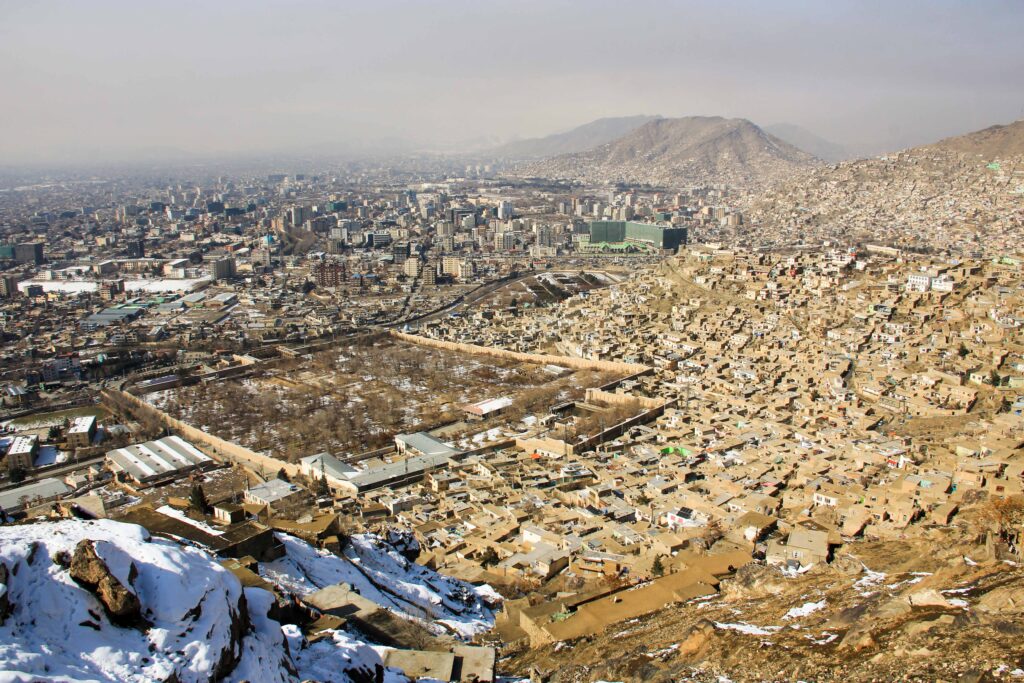
Mbabane: Eswatini’s administrative and most populous city (approx. 70 000), was founded in 1887 and named after Chief Mbabane Kunene, who lived in the area when British settlers arrived. Though modest in size, its busy centre, vibrant market, and proximity to nature reserves make it a vital hub in the country’s governance, economy, and cultural life.