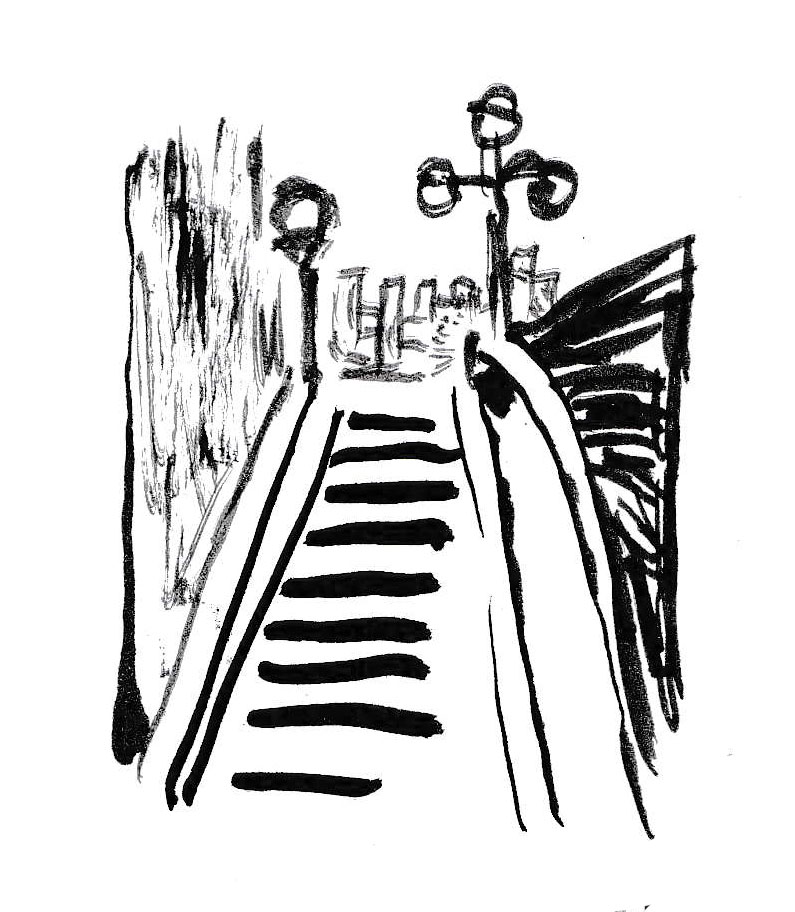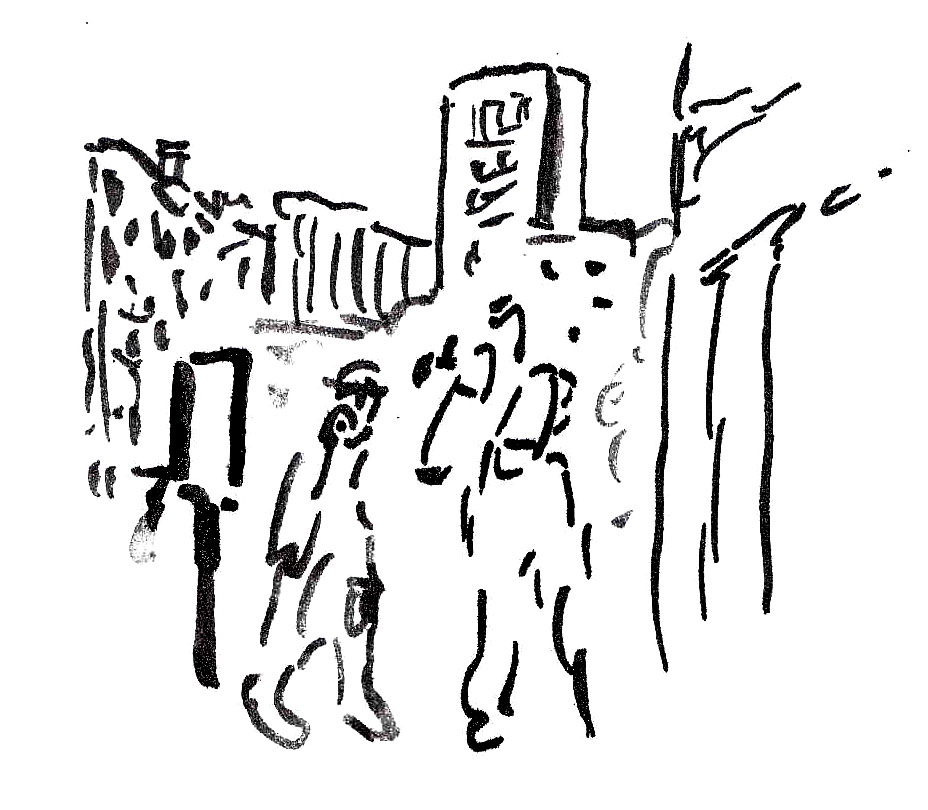
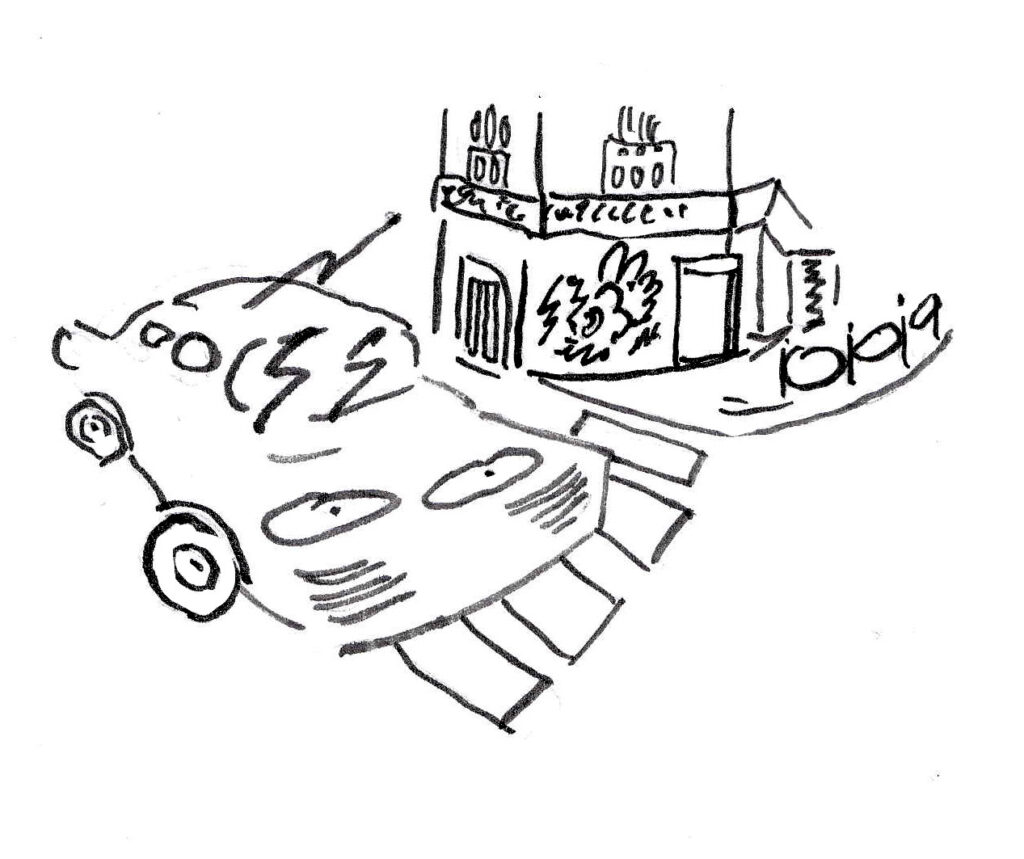
By night, Bangalore’s first-world dreams flicker out, and in their place rises the familiar roar of the third world – endless construction, half-finished roads, dust in the headlights, a city forever being built but never quite becoming.
It’s three in the morning on the Old Airport Road when Bangalore fully drops the act. The rising tech city seems to have disappeared entirely. There’s no trace of TED Talk optimism or latte foam now, just headlights, fatigue, and men who know the city better than Google Maps ever will. This is cab-driver time.
A cab is not a vehicle here. It’s a confession booth on wheels, filled with the cadence of different languages. Kannada spills out first perhaps – North Karnatak Kannada, clipped and percussive, like a temple chant. Then, one might catch the chatter of Hindi, stitched together from North Indian techie passengers. Or Dakhni Urdu, picked up over chai and cigarettes. Then something softer: the lilt of Bengali on a phone call with a fellow cab driver; Bhojpuri for when the mood loosens; Odia, when someone asks about home. English occasionally limps into the mix, apologetically but usefully – a tool, pulled out when the city demands efficiency. Languages don’t coexist politely. They elbow each other for space. The driver doesn’t care what language should be spoken in Bangalore. He speaks what works. He speaks what pays. He speaks what keeps him out of trouble.
Around the airport – in the neighbourhoods of Doddajala, Shettigere, Hunachur – the city is raw and sleepless. This is not Bangalore as the brand it has become; this is Bangalore backstage. Charging stations hum like tired insects. Electric cabs line up, plugged in to the electricity supply while the drivers inside are stretched out, discarded coats on human hangers. Puncture-repair shops glow under naked bulbs. Mechanics here operate with a sixth sense of what the problem might be – listening to engines the way doctors listen to lungs.
Tea shops never close. They cannot afford to. The food being produced tells the real story. Jowar roti and ennegayi for the man from Kalaburagi. Rice and dalma for the Odia driver who misses green vegetables that taste like memories. Litti-chokha materialises out of nowhere at 4.30 in the morning, because enough men asked for it often enough. Someone’s aunt has started cooking. Someone’s cousin has found a shed to sell pan masala, cigarettes, and cool drinks. Capitalism, yes – but intimate, desperate capitalism. Survival economics.
Jowar roti A flatbread made with jowar flour.Ennegayi Stuffed eggplant.
Litti-chokha Stuffed doughballs served with mashed roasted vegetables.
Pan masala A chewable digestif made with betel nut and various seeds such as fennel and anise.
PGs Paying Guest – a popular form of rental accommodation where individuals pay to stay in someone else’s property, often sharing rooms, facilities, food, electricity, and housekeeping, especially near tech parks and universities. A more affordable alternative to flats, with varying levels of freedom and services.PGs sprout like weeds. Thin walls. Shared toilets. Beds rented by the day, by shift, by level of exhaustion. Devotional frames of gods and goddesses interspersed with pictures of loved ones, all stacked next to pressure cookers. White uniforms drying on optimism alone. These rooms hold men who belong everywhere and nowhere at once. Region becomes identity. Language becomes a kind of armour for these men. Home becomes a voice note played on repeat.
And then there is Kannada chauvinism – loud, brittle, performative – demanding purity in a city that has never been pure. It insists on linguistic loyalty while depending entirely on linguistic migrants. The contradiction is not subtle. It is structural. Bangalore runs on borrowed tongues, but demands one language as proof of belonging. Kannada becomes both shelter and weapon – something to live in, and something to be beaten with – and the migrant is always the easiest target: audible before he is visible, marked by his accent, never quite allowed to arrive.
“In these cases, language here is not love. It is a demonstration of leverage: who says what to whom, and how.”
And yet – something softer also survives. At a tea stall near Shettigere: Kannada owner, Hindi and Urdu banter, Telugu jokes, Tamil and Malayalam songs blasting from a phone with a cracked screen. No manifesto. No outrage. Just caffeine and coexistence. This is cosmopolitanism without self-awareness. Ugly, functional, alive.
Bangalore is not special. That’s the point. It is not uniquely tolerant or uniquely cruel. It is merely honest about its fractures. The cab driver knows this. He drives through it. Over it. Around it. He listens to the city argue with itself, one fare at a time.
At dawn, planes take off and land. The urban elite wakes up pretending the city is legible according to the brand Bangalore script. The driver orders the ginger chai that reminds him of his grandmother and cool mornings with a silvery sun breaking the fog over the fields in his village. He eats food from somewhere else. He waits for the next ping.
The city moves because he does – multilingual, underpaid, irreplaceable, driving through a Bangalore that has never spoken in one tongue, and never will.